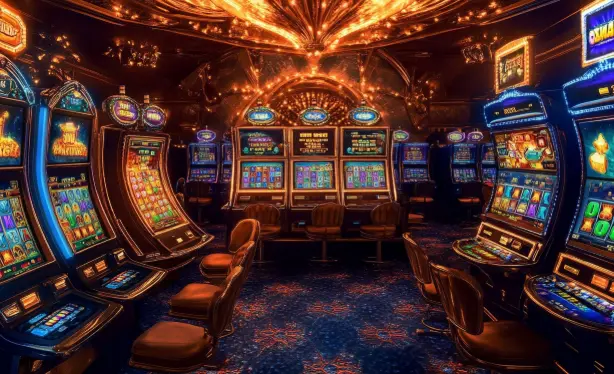
Bahrain Casino Floor: Are Casinos Legal?
Bahrain does not license a single casino floor, and anyone telling you otherwise is selling fantasy wrapped in a fake investor deck. The Kingdom operates under a hard prohibition on commercial gambling, and the absence of a gaming authority is the first technical wall you hit when auditing this jurisdiction. There is no regulator to issue a license, no inspection regime, and no floor protocol. That single structural fact kills the entire proposition before a chip ever touches felt. 🎰
Strip the marketing noise away and the legal architecture is blunt. The Bahraini penal code criminalizes gambling operations, and enforcement flows through the Ministry of Interior rather than any dedicated gaming commission. Compare that to regional neighbors who built formal frameworks, and the contrast is brutal: Bahrain has no casino floor licensing pathway, no slot machine certification regime, and no table game audit trail. Any casino floor operating inside the country would be running unlicensed by definition, not by loophole.

The Racetrack Exception That Fools Outsiders
Here is where the confusion breeds. The Bahrain Turf Club permits pari-mutuel wagering on horse racing, and that single carve-out is the crack every misinformed article crawls through. Pari-mutuel betting on licensed racing is not a casino floor operation, period. It is a state-tolerated equestrian betting pool with no slot machines, no blackjack tables, and no cashier cage structured like a gaming pit. Conflating the two is amateur-hour analysis. The technical distinction matters because hardware deployment follows licensing: no license class exists for electronic gaming devices, so no legitimate vendor ships certified RNG cabinets into the country. 💡
Now look at the hospitality sector, where the real money hides. Five-star resorts along the Manama waterfront run world-class entertainment, nightlife, and VIP hospitality, but not one of them carries a gaming permit. Hotel operators who float the idea of a private gaming room are walking into regulatory quicksand. The Ministry of Interior has historically shut down informal card rooms and private betting operations without ceremony. There is no grandfather clause, no tolerance zone, and no gray-market maturity curve. If you are underwriting a property deal that assumes a future casino floor license, your model is built on vapor.

Why the Investment Case Collapses at the Audit Stage
From a due-diligence standpoint, the Bahrain casino floor thesis fails three technical tests in sequence. First, no statutory licensing instrument exists, which means no gaming equipment can be legally imported, certified, or serviced. Second, no supervisory body performs floor inspections, so responsible-gaming controls, payout verification, and dispute adjudication have zero institutional backing. Third, banking and payment rails treat gaming transactions as restricted, which strangles the cashier flow before the first hand is dealt. 🃏
Anyone pitching a Bahrain casino floor as a near-term opportunity is either misreading the racetrack carve-out or deliberately blurring it. The jurisdiction offers premium tourism infrastructure and a wealthy consumer base, but the gaming layer is legally absent, not merely dormant. Speculators who confuse hospitality glamour with gaming liberalization will burn capital on feasibility studies that die at the first regulatory inquiry. The floor does not exist, the license does not exist, and the enforcement posture is not softening.