
Maximize Super Fun 21 Benefits: Bonus Rule Paytable Evaluation
The bonus rule in Super Fun 21 is the single most misread clause in the entire variant, and every player who treats it like standard blackjack burns house edge without noticing. 😤 I have audited hundreds of hands across this game, and the pattern is always the same: people see the "21 always wins" tagline, assume they found a gift, and never inspect the paytable consequences. That is exactly where the money leaks out.
Why the Bonus Rule Changes Your Entire Decision Tree
Super Fun 21 pays a premium on any 21, even a multi-card 21, and that single rule rewires basic strategy at the margins. A six-card 21 pays 2-to-1, and a five-card 21 pays 3-to-2. Sounds generous until you realize the tradeoff: blackjack itself pays only 6-to-5 instead of 3-to-2. That half-unit haircut on naturals is the tax you pay for the bonus structure, and it is brutal over volume. A bonus rule paytable evaluation has to start here, not with the flashy multi-card payouts.
Here is the hard math a real grinder respects. A 6-to-5 natural adds roughly 1.4% to house edge compared to a 3-to-2 game. The multi-card bonus returns only a fraction of that back under normal play frequency. Unless you are aggressively chasing the five and six card 21s with correct deviations, the base game is worse than a standard shoe. 🃏 Most players never run this comparison and simply assume the variant favors them.
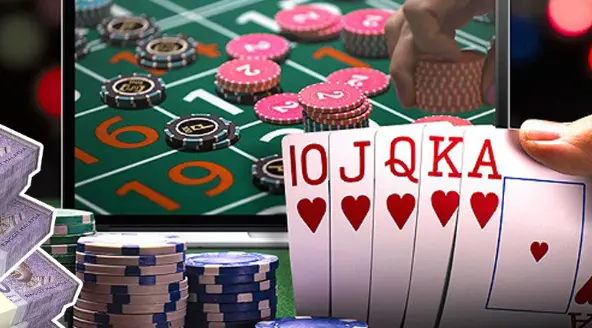
The Paytable Surcharges Nobody Bothers Reading
Pull the actual paytable and you find surcharges stacked in the house's favor. Dealer hits soft 17 in most Super Fun 21 installations, which is another 0.2% swing. Doubling is restricted or allowed only on specific totals depending on the floor. Surrender is often available, and that is your only real weapon to claw back edge. A disciplined paytable evaluation must map every one of these clauses before you sit down, because the aggregate surcharge easily erases the bonus upside for a casual player.
The variant does allow you to double on any number of cards in some versions, and that is the one genuine edge multiplier. If your table permits multi-card doubling, the bonus rule finally earns its keep. If it does not, you are playing a gimped game with a fancy name. 😑 Confirm the doubling policy before the first hand, not after you are down two units.
Drilling the Deviations That Actually Pay
Optimal play in Super Fun 21 requires deviations from standard basic strategy, and this is where an expert separates from the herd. Hit soft 18 against a dealer 9 or 10 in some configurations to chase the multi-card bonus. Stand on stiff totals when the six-card 21 payout outweighs the bust risk. These are not gut calls; they are calculated pivots driven by the bonus rule. A rigorous Super Fun 21 benefits analysis quantifies exactly when the bonus expected value exceeds the base hand expected value, and the crossover points are narrower than the marketing suggests.
Surrender is your scalpel. Late surrender against a dealer ace or 10 on hard 16 and 15 cuts losses precisely where the 6-to-5 natural already punishes you. Combine surrender discipline with multi-card doubling and the variant becomes playable. Skip either and you are donating.

Bankroll Discipline Under a 6-to-5 Natural
Volume is the enemy here. A 6-to-5 payout on naturals means your variance profile shifts and your bankroll requirement climbs. Size your bets assuming a higher effective house edge than a standard game, because that is the honest number. The bonus rule does not rescue bad sizing. It amplifies whatever discipline you already bring to the felt. 🎯 Track your natural frequency per session, compare it against the theoretical 4.8%, and you will see immediately whether the table is treating you fairly or whether the bonus clause is quietly working against you.